
AI vibe coding for Linux development: Linus Torvalds, the creator of Linux and Git, has shared a detailed stance on the emerging trend of AI-assisted “vibe coding”, highlighting its benefits for learning and experimentation while cautioning against its use in essential software development.
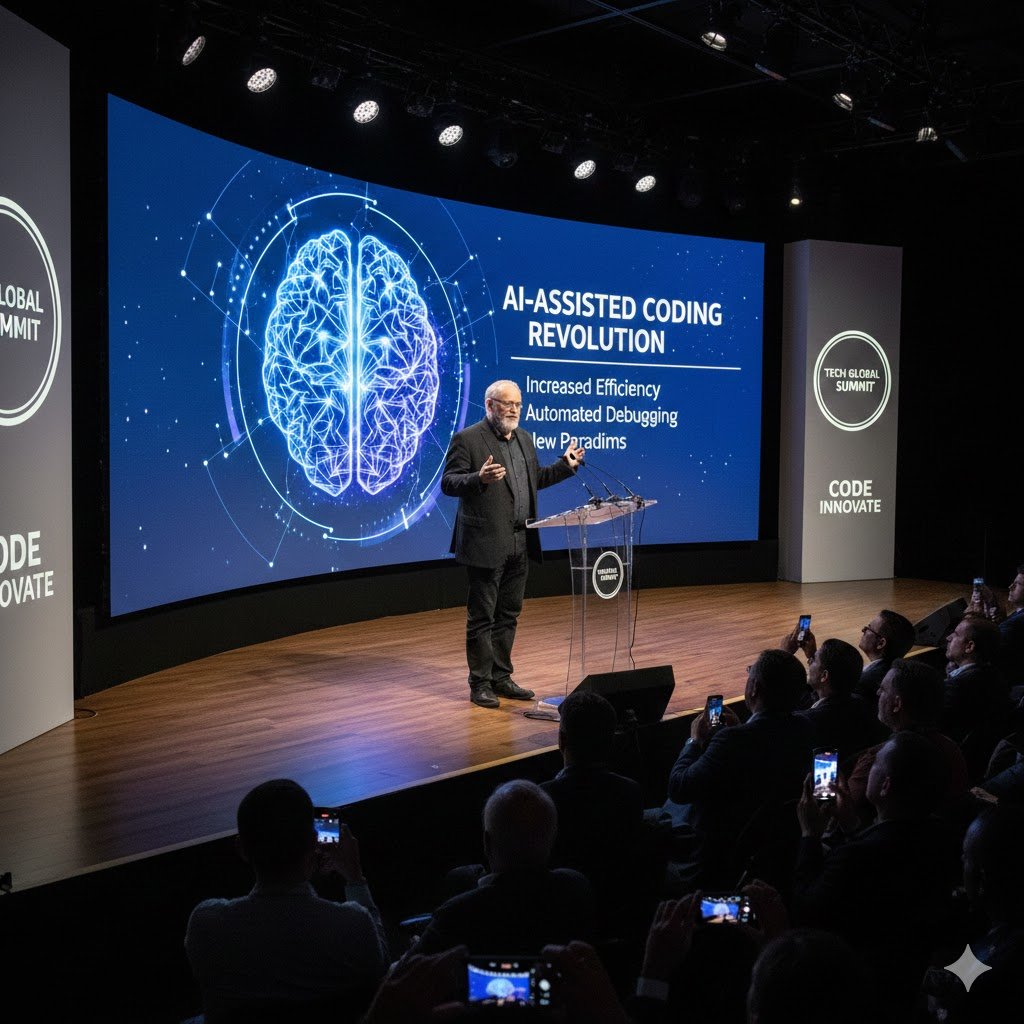
At the Linux Foundation Open Source Summit held in Seoul, South Korea, Torvalds spoke about the growing role of artificial intelligence (AI) in software engineering. He described “vibe coding” as an accessible entry point into programming but emphasized that it should not replace traditional development methods for mission-critical projects.
According to Torvalds, vibe coding can help new programmers and hobbyists begin coding by allowing them to interact with AI systems that generate code based on natural language prompts. These AI tools can make computing more approachable for people who may otherwise struggle to write complex code from scratch.
The Linux creator acknowledged the challenges modern programmers face compared to earlier eras. In his remarks, he contrasted today’s programming landscape with his own experience, where learning often involved typing code from printed magazines. Torvalds suggested that AI-assisted coding could lower barriers for beginners and enable them to experiment and learn quickly.
Despite these positive aspects, Torvalds clearly stated that vibe coding is not suitable for critical systems, such as the Linux kernel. He warned that code generated through these AI methods may present serious maintenance challenges if used for production-level tasks. He described such use as potentially “a horrible idea” from a maintenance standpoint, highlighting risks related to long-term reliability and understandability.
Torvalds also discussed broader implications of AI tools in software development. He drew parallels between AI-assisted coding and other productivity tools, comparing the role of AI to that of compilers, which significantly boost programmer productivity but do not eliminate the need for human developers.
In addition to his comments on vibe coding, the Linux maintainer touched on the disruptive impact of automated AI crawlers that harvest source code from repositories like kernel.org, causing false reports and additional work for maintainers. He underscored that while AI can support certain workflows, uncontrolled or unreviewed AI usage poses operational challenges.
Torvalds reiterated that he personally does not use AI-generated coding tools for core projects like the Linux kernel. However, he believes that in the future, AI may become a routine part of software infrastructure, much like cloud services. This would allow a clearer distinction between experimental coding practices and production-grade development pipelines.
His remarks reflect a balanced view: AI-assisted coding should be embraced for learning and experimentation, but developers and organizations must apply caution when adopting such technologies for systems where maintainability and long-term stability are essential.
Why This Update Matters Now
Torvalds’ comments have significant implications for the broader software community as AI-assisted development tools become more widespread. His insights offer guidance on how developers and teams should approach innovative AI coding methods while preserving quality and reliability in production software.
FAQs: AI vibe coding for Linux development
Q: What is AI “vibe coding”?
AI vibe coding is a method where developers use natural language prompts with AI tools to generate software code, often without manually writing each line themselves.
Q: Who is Linus Torvalds?
Linus Torvalds is the creator of the Linux operating system and Git version control system, and he continues to guide Linux kernel development.
Q: Why does Torvalds warn against using vibe coding for critical code?
Torvalds warns that AI-generated vibe coding can lead to maintenance challenges and reliability issues when applied to mission-critical software systems.
Also Read: Amazon Republic Day Sale 2026: Best Time for Smartphone Upgrades