
Author

In a landmark medical breakthrough, the PRIMA wireless retinal implant is successfully restoring functional vision to individuals blinded by age-related macular degeneration (AMD). Recent clinical trial results reveal that over 80% of participants regained the ability to read letters and words, offering new hope for millions suffering from this previously untreatable condition.
PRIMA Wireless Implant Restores Sight to the Blind in Groundbreaking Trial
A new wireless retinal implant is creating a miracle for millions suffering from permanent blindness. The PRIMA device, a breakthrough in neurotechnology, has shown remarkable success in restoring partial sight to patients with end-stage age-related macular degeneration (AMD), enabling them to read and recognize words again.
Unprecedented Success in Clinical Trials
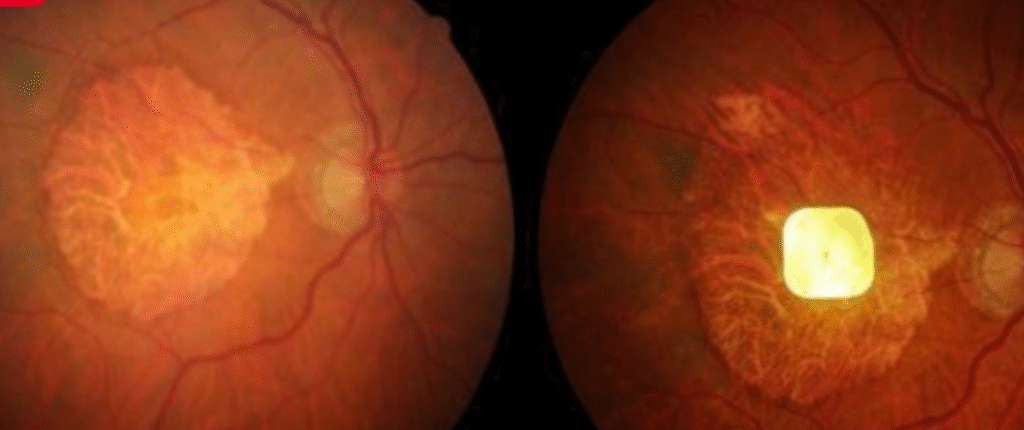
The recent clinical trial findings, published in the prestigious New England Journal of Medicine, have sent waves of optimism through the medical community. The study, a collaboration between University College London, the University of Pittsburgh, and Stanford Medicine, involved 32 patients who had lost their vision due to AMD.
After one year, the results were astounding. 27 out of 32 participants (over 84%) demonstrated a significant improvement in their visual function, with many able to identify letters and sequence words. Some patients even progressed to reading entire pages from a book—a task deemed impossible before the implant.
How the PRIMA Implant Technology Works
The PRIMA system is a marvel of bio-engineering that bypasses damaged photoreceptor cells in the eye. Its operation involves a sophisticated three-part process:
- Smart Glasses: The patient wears a pair of specialized glasses equipped with a miniature camera.
- Wireless Implant: A tiny, 2×2 millimeter wireless chip is surgically implanted under the retina.
- Infrared Projection: The camera on the glasses captures the external visual scene. This information is processed and then projected as an infrared signal directly onto the retinal implant.
- Neural Stimulation: The chip converts this infrared light into electrical signals, stimulating the retina’s remaining healthy cells. These cells then transmit the visual information to the brain, allowing the patient to perceive a visual pattern.
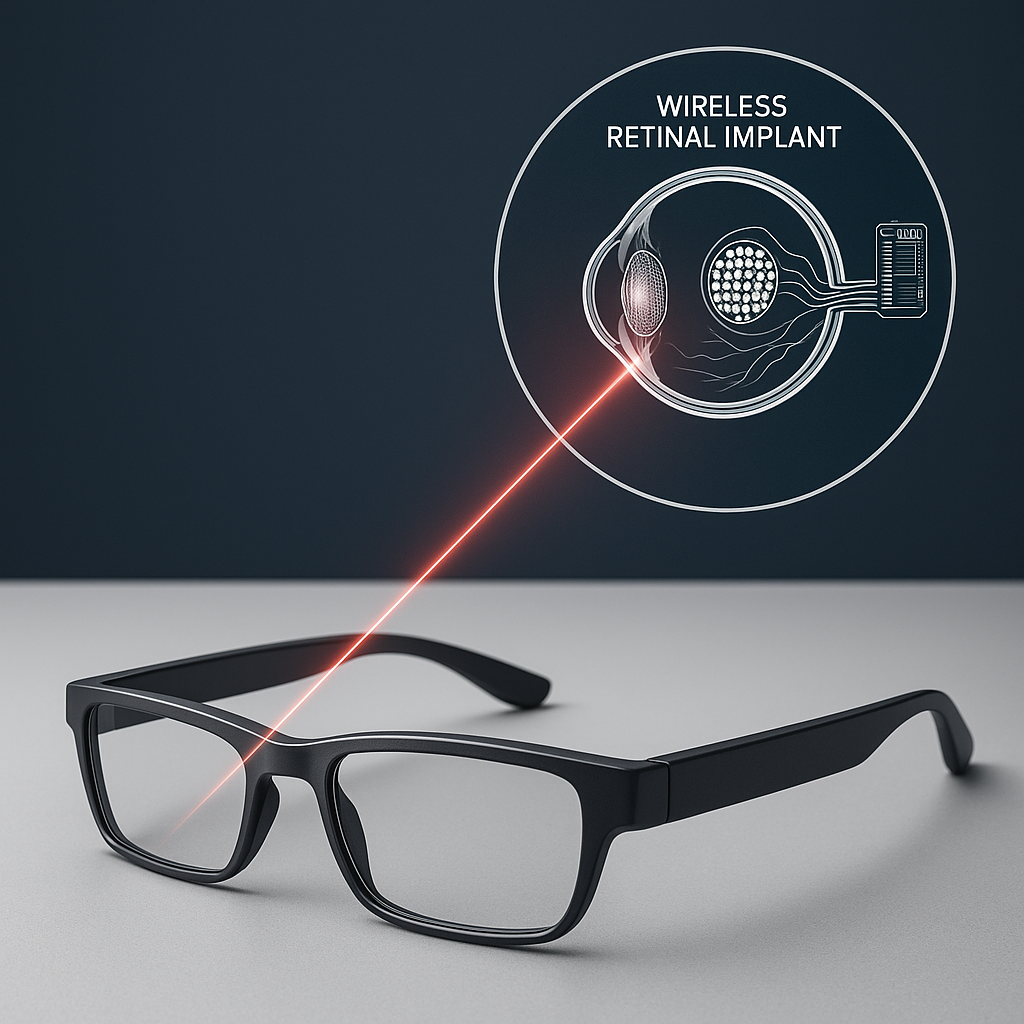
PRIMA wireless implant restores sightExpert Opinions and Future Implications
Leading experts hail this as a historic moment. Dr. José-Alain Sahel, Chairman of the Department of Ophthalmology at the University of Pittsburgh and a key figure in the research, expressed his enthusiasm, stating, “This is the first time we have seen such positive results in a large number of patients. To have over 80% of a profoundly blind cohort able to read letters and words is a monumental step forward in vision restoration.”
Beyond the clinical metrics, the real-world impact is profound. A vast majority of trial participants reported using their restored vision for daily activities, enhancing their independence and quality of life.
Expanding the Horizon for Vision Restoration
While currently targeted for AMD, the underlying technology of the PRIMA wireless implant holds promise for treating other forms of blindness caused by retinal degeneration. Ongoing research is focused on improving the implant’s resolution and expanding patient eligibility. This innovation stands as a beacon of hope, not just for the 50+ million affected by AMD worldwide, but for the entire field of restorative medicine.
Frequently Asked Questions (FAQs) on PRIMA wireless implant restores sight
1. Who is currently eligible for the PRIMA implant?
Currently, the PRIMA implant is intended for patients who have lost their vision due to end-stage, dry Age-related Macular Degeneration (AMD). Eligibility is determined through rigorous clinical screening by specialist ophthalmologists.
2. Does the PRIMA implant restore 20/20 vision?
No, the PRIMA implant does not currently restore perfect 20/20 vision. Its primary function is to restore a form of “artificial vision” that allows patients to perceive shapes, identify letters, and read text, significantly improving functional independence, but not full natural sight.
3. Is the PRIMA implant surgery reversible?
The implantation of the PRIMA chip is a surgical procedure. While the chip is designed to be minimally invasive, any surgical implantation carries standard risks and should be considered permanent. Patients must consult with their surgeons about the specific procedure details and potential complications.
Disclaimer: This article is for informational purposes only and does not constitute medical advice. The PRIMA implant is a medical device subject to regulatory approval and may not be available in all regions. Individuals should consult with a qualified healthcare professional for diagnosis and treatment options for any medical condition.
Also Read: Andhra Pradesh to Build India’s First AI University | Key Details